






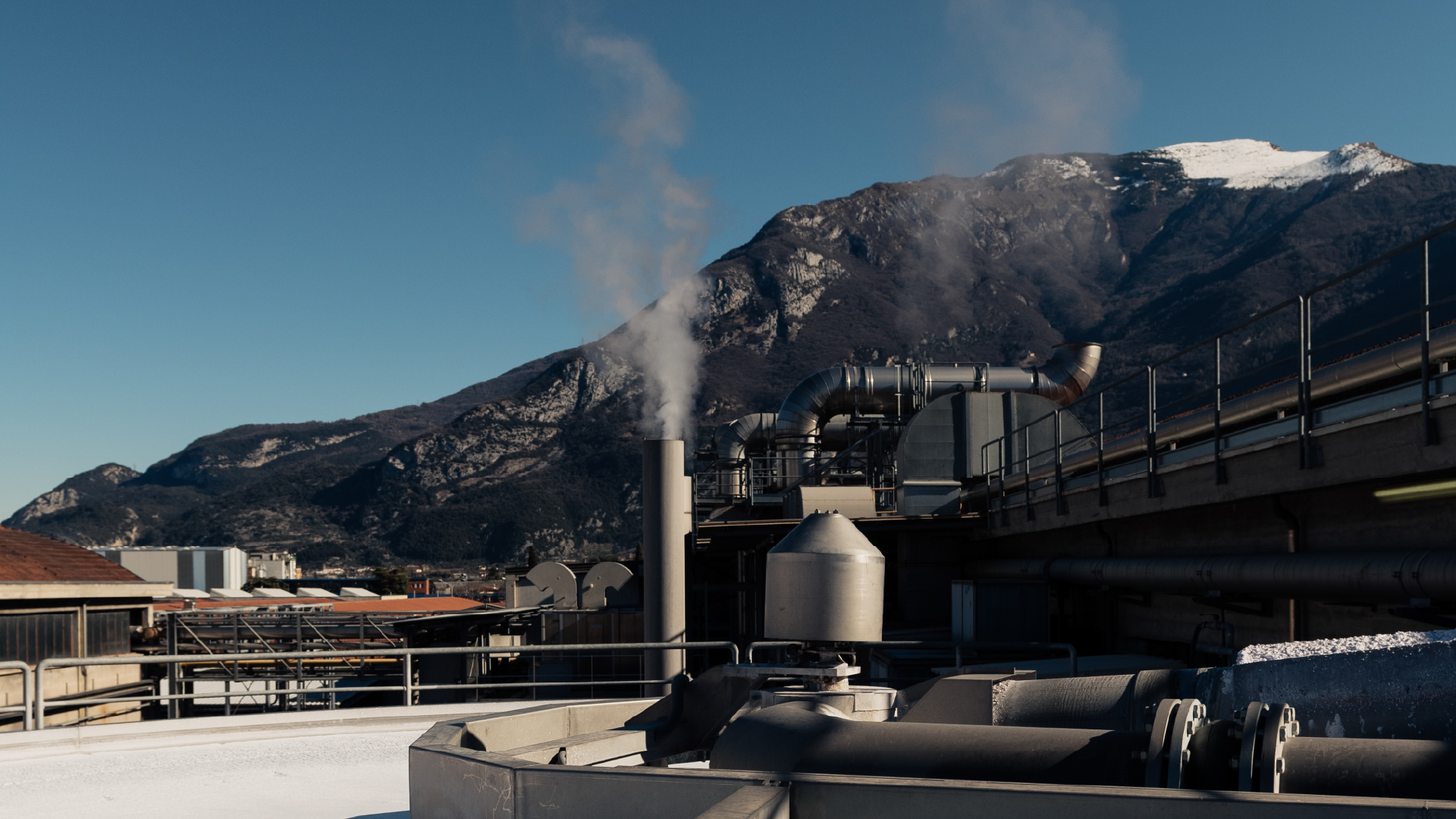
Fedrigoni pioneers large-scale biomethane adoption to accelerate decarbonization and strengthen energy resilience
Fedrigoni Group has entered one of Italy’s first long-term biomethane supply agreements in the paper industry, covering approximately 40% of the gas requirements of the participating Italian manufacturing plants. This is a significant further step in the Group’s energy transition journey. The initiative strengthens continuity of supply and reduces the cradle-to-gate carbon footprint of products manufactured at these sites by 30% to 50%, depending on the product line.
In a hard-to-abate sector such as paper manufacturing, where electrification remains limited and some process emissions are unavoidable, biomethane represents one of the most concrete solutions currently available to reduce carbon intensity while reinforcing energy resilience.
Delivered through the existing national gas grid and allocated to dedicated plants, biomethane is already being applied at Varone (Trento). The supply is certified with Guarantees of Origin (GO) and Proof of Sustainability (PoS) under RED II/III criteria. The agreement was signed with leading players in the development, acquisition and management of biomethane: Verdalia Bioenergy, CH1 S.r.l., Fri-El and Bio.Methane.Hub S.r.l.
With around 40% of the participating mills’ gas requirements covered through long-term biomethane contracts, Fedrigoni reduces its exposure to geopolitical volatility and dependence on imported fossil fuels. At the same time, the substitution of part of fossil natural gas consumption enables a reduction in the cradle-to-gate carbon footprint of products manufactured at these sites by 30% to 50%, depending on the product line.
This initiative marks a concrete milestone within Fedrigoni Making Progress, the Group’s sustainability strategy and ESG 2030 framework. It reflects Fedrigoni’s commitment to measurable progress across carbon reduction, circular product design and responsible sourcing, while demonstrating that decarbonization and supply chain resilience are mutually reinforcing priorities.
“Energy transition is only truly sustainable when it delivers both environmental progress and greater industrial resilience. With this agreement, we are taking a concrete step to reduce carbon intensity while also strengthening energy security and competitiveness — for Fedrigoni and for the customers who rely on us every day” commented Stefano Zanoni, Group Head of Energy Transition.