







All our products designed for an optimal end-of-life
This is commitment for the future: redesign our product portfolio to make it ever more circular, respecting the invaluable link we have with our raw materials.
Our raw materials
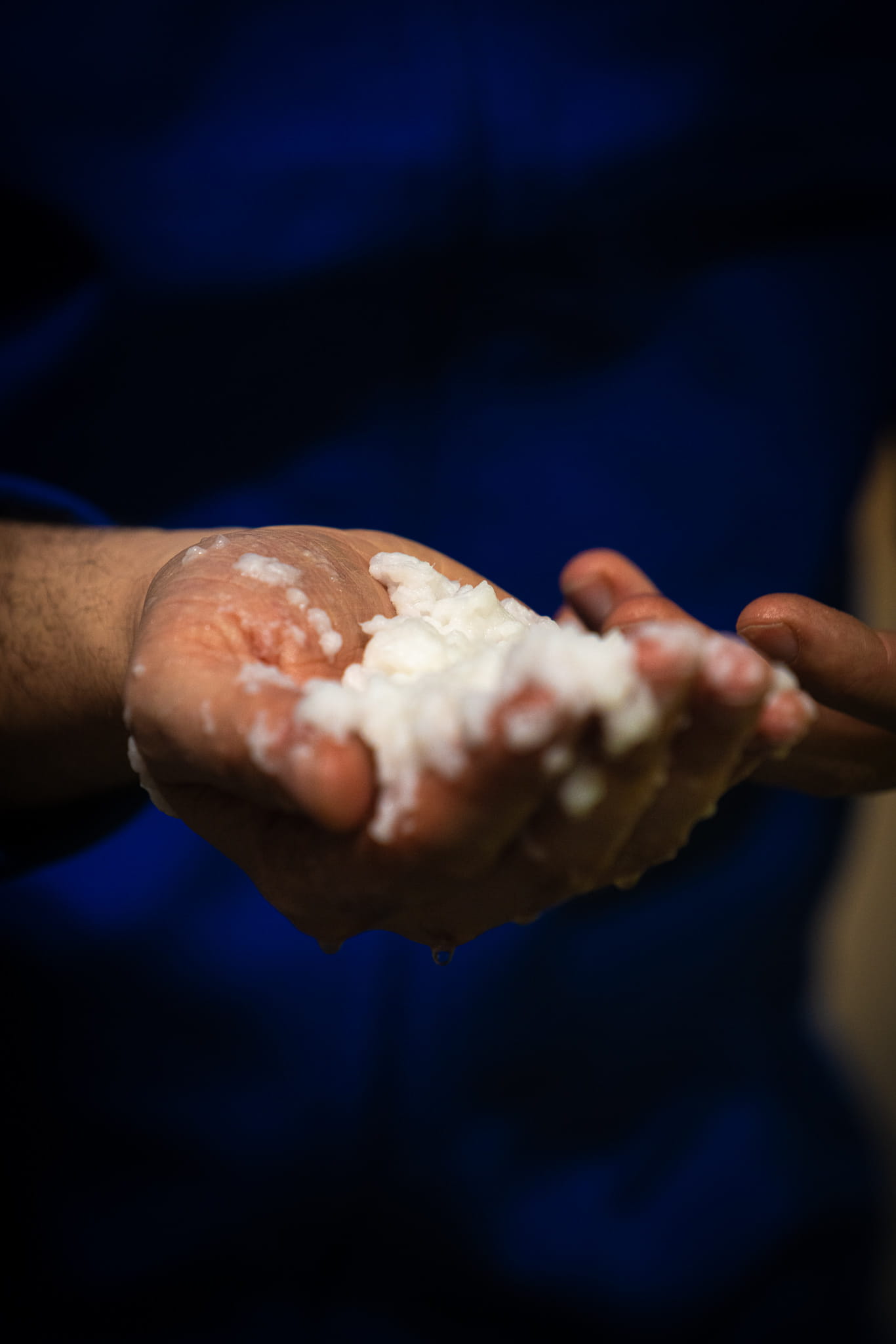
Pulp
Pulp is the main raw material used to make paper: our pulp derives entirely from FSC® certified suppliers. In 2025 96.7% of the pulp purchased was FSC certified and 3.3% FSC Controlled Wood.
The main types of pulp are softwoods, such as European softwoods, hardwoods (eucalyptus and mixed hardwoods), and BCTMP, that are used in different mixes based on the final features of the paper.

Cotton
For some special papers we use cotton, a by-product of the textile industry. It comes from second cut linters, the fibres too short to be used for textile production that remain attached to the seed after ginning.

Chemical products
We use chemical derivatives for our products to ensure quality and functionality, favouring those with less impact on the environment. Vegetable starches, mainly from maize and potatoes, are used as binders in the pulp and on the surface; dyes and pigments give paper its colour and pearlescent effects; carbonates and kaolins ensure the correct application of coatings.

Plastic films
Our Self-Adhesive division uses this type of film, both as facestocks and liners. The plastic film facestocks are the part of the final product that will be printed and used by the customer; the liner films are used as the reverse side of the Self-Adhesive label material, as an alternative to the pure pulp glassine liner when the application requires it.

Self-adhesive materials
Self-adhesive products are made of a top coat, a face material, an adhesive, a silicone and a liner. The face material, whether film or paper, is the part that is printed and used by our customers; the liner is the non-functional backing that is removed and discarded after use.
Facestocks and liners can be plastic-based, mainly polypropylene, polyethylene, PET and PVC, with matt, glossy or metallic finishes and available with recycled content, or paper-based, including our glassine liners.

Adhesives and silicones
Adhesives are our key know-how: acrylic, hotmelt, solvent or UV-crosslinked, permanent or removable, including wash-off. Silicones make the liner non-stick, allowing the label to be dispensed, and are applied in-line at our plants to keep full control of the process.
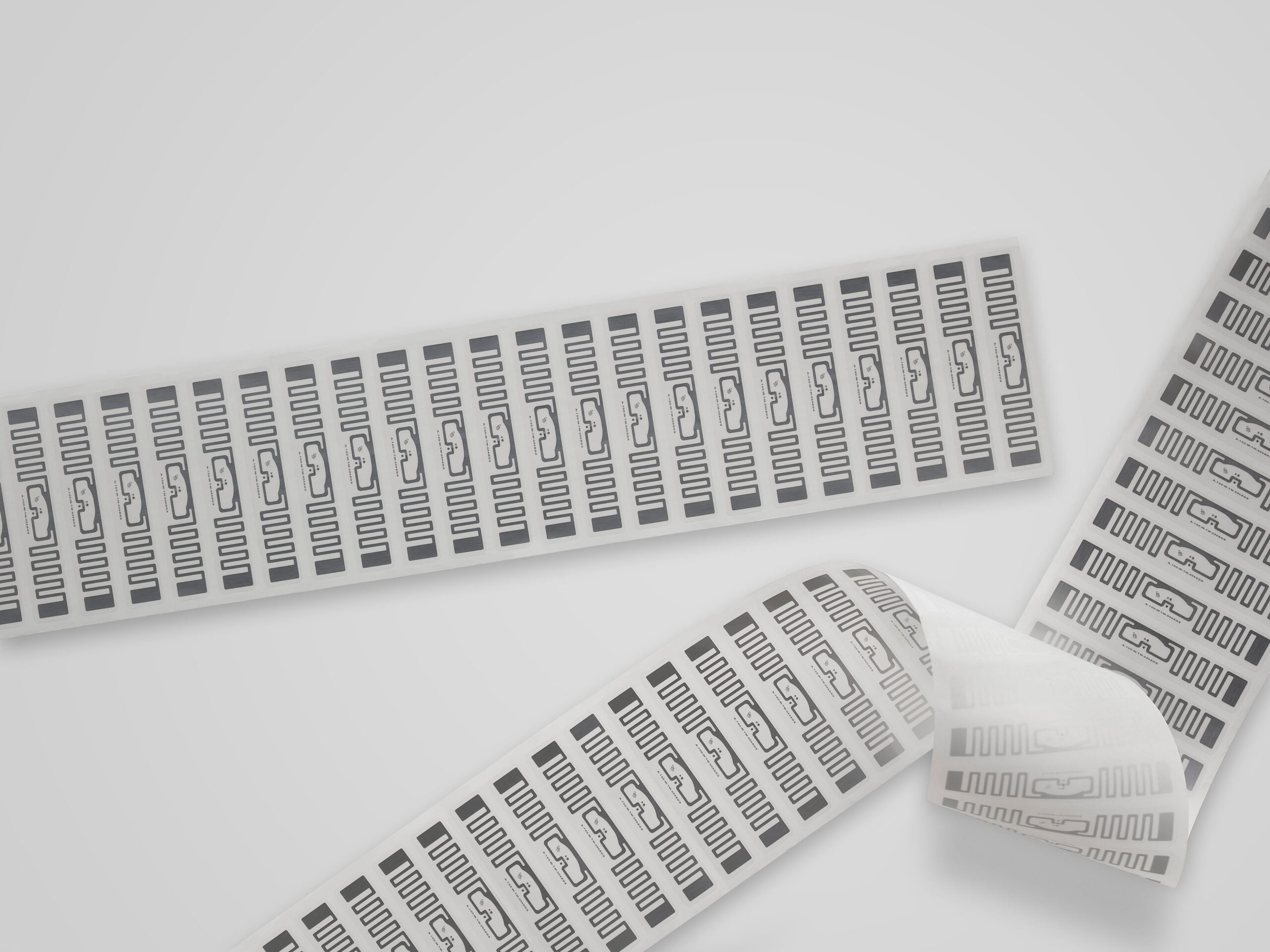
RFID materials
RFID inlays and tags connect the physical and digital worlds: a tiny silicon chip is attached to a conductive antenna foil on a paper or PET substrate, invisibly embedded into a label or product. As these technologies become foundational to the EU’s Digital Product Passport, we work with Tageos to make them more resource-efficient, from smaller integrated circuits that lower material use to sensor-enabled solutions that reduce waste across supply chains.